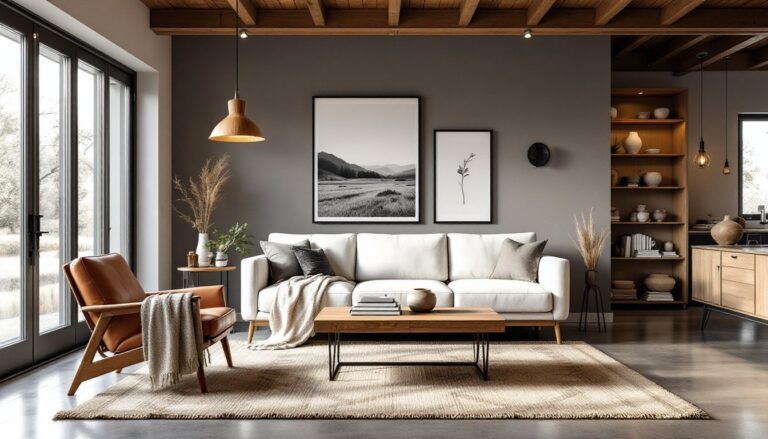

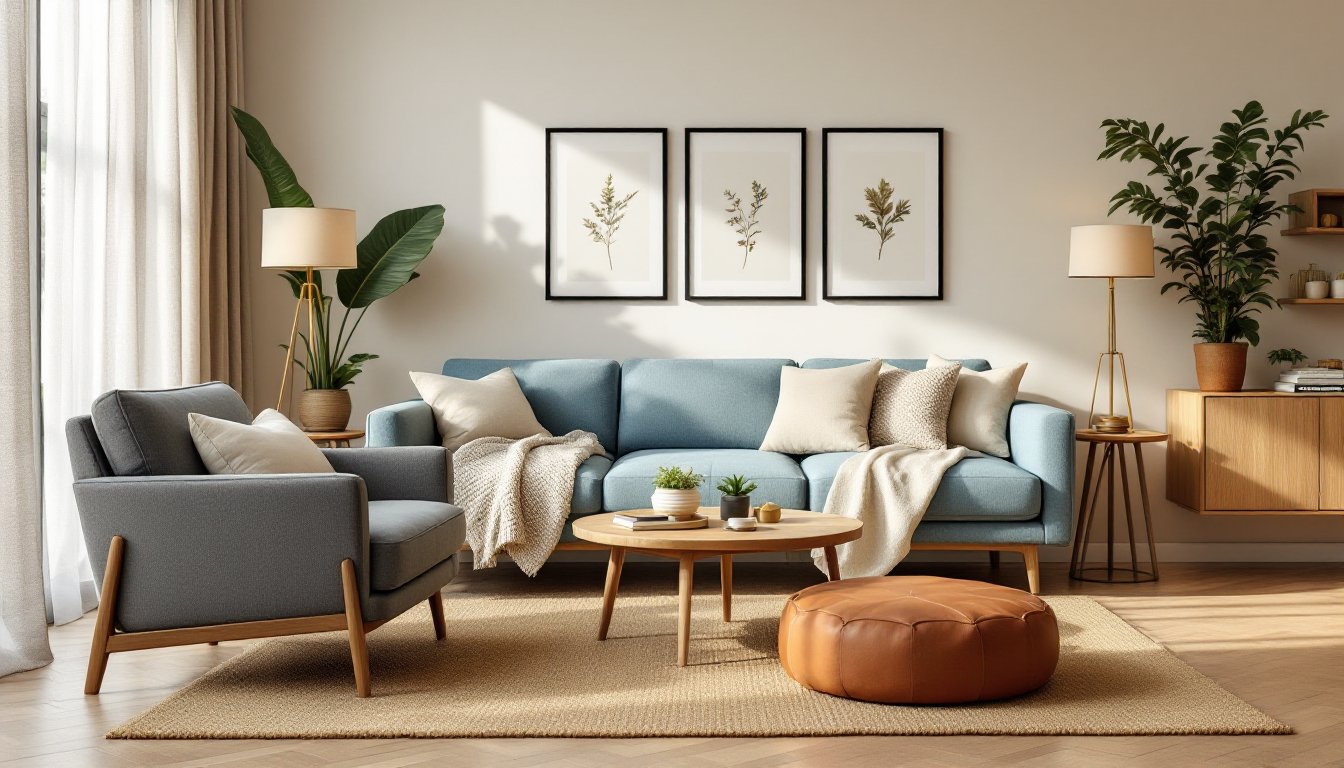
A light blue sofa is one of those rare furniture pieces that balances sophistication with warmth, it feels fresh and open, yet inviting and grounded. Whether you’re working with a soft powder blue, a muted periwinkle, or a pale sky tone, a light blue sofa can anchor your living room without the heaviness of darker hues. The challenge isn’t finding a light blue sofa: it’s creating a cohesive design around it. This guide walks you through eight design schemes that pair light blue sofas with complementary colors, textures, and layouts to transform your living room into a space that feels intentional and complete.
Table of Contents
ToggleKey Takeaways
- A light blue sofa balances sophistication with warmth, but success depends on matching its undertones to your room’s existing flooring, wall colors, and lighting conditions.
- Pair your light blue sofa with warm neutrals like cream, beige, or taupe, and use warm metals like brass and copper to create a cohesive, intentional living room design.
- Layering textures through throw pillows, knit throws, and woven rugs transforms a light blue sofa from basic to inviting—aim for three to five intentionally mixed pillows for visual depth.
- Position your light blue sofa to face the room’s focal point and angle secondary seating at 45 degrees to maximize conversation zones and prevent cramped spacing.
- Use warm white LED bulbs (2700K) and layered lighting sources to prevent light blue from appearing washed out or cold under harsh artificial light.
- Choose your sofa’s finish and fabric based on lifestyle: matte linen feels casual and ages beautifully, while performance fabrics resist stains in homes with kids or pets.
Choosing the Right Shade of Light Blue for Your Living Room
Not all light blues are created equal, and the undertones matter far more than the overall brightness. A light blue with warm undertones (hints of gray or beige) will feel cozy and pair well with natural wood and warm metals like brass or copper. A light blue with cool undertones (hints of green or purple) leans more contemporary and works beautifully with chrome, nickel, and cool-toned paint colors.
Before committing to a sofa, test the shade in your actual living room under natural and artificial light. Bring home fabric swatches or order a cushion cover from the sofa manufacturer. Light changes dramatically throughout the day, and what looks serene at noon might feel cold at dusk. The room’s existing flooring, wall color, and window orientation all influence how a light blue reads in the space.
Consider the sofa’s finish and texture as well. A matte upholstery will absorb light and feel softer, while a high-sheen fabric reflects light and reads lighter. Linen and cotton blends feel casual and age beautifully: performance fabrics resist stains and suit households with kids or pets. Choose based on your lifestyle, not just aesthetics.
Color Pairing Strategies That Complement Your Light Blue Sofa
Your light blue sofa is a statement piece, but it’s not the entire story. The walls, accents, and secondary furniture determine whether the room feels cohesive or chaotic.
Neutral and Warm Accent Colors
The safest and most versatile approach is pairing light blue with warm neutrals: cream, beige, taupe, and soft gray. These colors let the sofa breathe without competing for attention. Wall colors should typically sit one or two shades lighter or darker than your sofa, think ivory walls with a light blue sofa, or warm gray walls with a slightly deeper blue piece.
Accent colors drawn from natural materials, warm wood tones, terracotta, soft rust, and muted olive, add depth without clashing. A furniture layout that incorporates warm wood tables grounds the space and creates visual warmth. Throw pillows in cream, soft white, or warm gray keep the palette cohesive while adding texture. Metallics matter here too: warm brass and copper fixtures feel right alongside warm neutrals, while stainless steel or chrome can feel cold by comparison.
Furniture and Layout Tips for Maximum Impact
A light blue sofa benefits from intentional spacing and complementary seating. Pair it with an armchair in a contrasting color (warm gray, cream, or navy) to create visual interest and break up monotony. A second sofa or sectional in a coordinating shade works if you have the square footage, but it can dilute impact, one strong light blue piece usually outperforms two.
Layout matters more than most realize. Position your light blue sofa to face the room’s focal point: a fireplace, television, or window view. Angle secondary seating (chairs, ottoman, side table) at 45 degrees to create conversation zones and soften hard geometric lines. Leave 18–24 inches of clearance between the sofa and coffee table for comfortable leg room and visual breathing room.
Scale is critical. A large sectional light blue sofa dominates a small room and demands bold confidence: a compact loveseat in light blue works in tight spaces and feels less imposing. Leg style and profile affect how visually heavy the piece feels, thin wooden legs read lighter than a skirted base. If your sofa is substantial, balance it with open-leg side tables or floating shelving to prevent the room from feeling cramped.
Styling Your Light Blue Sofa With Textures and Accessories
Texture transforms a light blue sofa from ordinary to layered and inviting. Mix fabrics deliberately: soft linen pillows, chunky knit throws, smooth leather pouf, woven jute rug, and a plush area rug all speak different languages but harmonize when chosen thoughtfully.
Throw pillows are your secret weapon for flexibility and visual depth. Combine solid pillows in coordinating colors (cream, warm gray, soft white) with patterned ones in subtle geometrics or small-scale prints. Avoid matching throw pillow sets: instead, buy individual pillows and mix scales and textures. Three pillows on a sofa feels intentional: five feels curated: one or two feels sparse.
Throws draped over the arm or back add coziness and break up solid color. A room styling guide with texture inspiration often recommends pairing smooth and rough textures, a soft linen throw with a coarse jute ottoman, or silk pillows with a wool area rug.
Artwork hung above or beside the sofa should relate to your color story. Botanical prints, abstract art in complementary hues, or black-and-white photography all work, just avoid colors that clash with your light blue base. Keep the frame finish consistent (all black, all wood, all gold) for a polished look.
Lighting Considerations for a Light Blue Living Room
Light blue is sensitive to lighting conditions in ways darker colors aren’t. Under warm incandescent bulbs, it can appear peachy or washed out. Under harsh cool LED, it reads cold and sterile. Layer your lighting with multiple sources and color temperatures to maintain balance.
Use warm white (2700K) LED bulbs in overhead fixtures, table lamps, and wall sconces. This temperature mimics traditional incandescent bulbs and keeps light blue looking inviting, not institutional. Add accent lighting, a floor lamp in a corner, a dimmer switch on overhead lights, so you can adjust brightness and warmth throughout the day.
Natural light is your best friend. If your room has large windows, light blue shines. Window treatments should be sheer or semi-sheer (linen, cotton blend) to diffuse sunlight gently without blocking it entirely. Avoid heavy blackout curtains unless you have specific privacy needs, light blue lives in brightness.
A pendant or chandelier hung above a side table or reading nook adds visual interest and functional task lighting. Avoid cold-toned fixtures: instead, choose brushed brass, warm gold, or natural wood bases that echo warm tones elsewhere in the room.