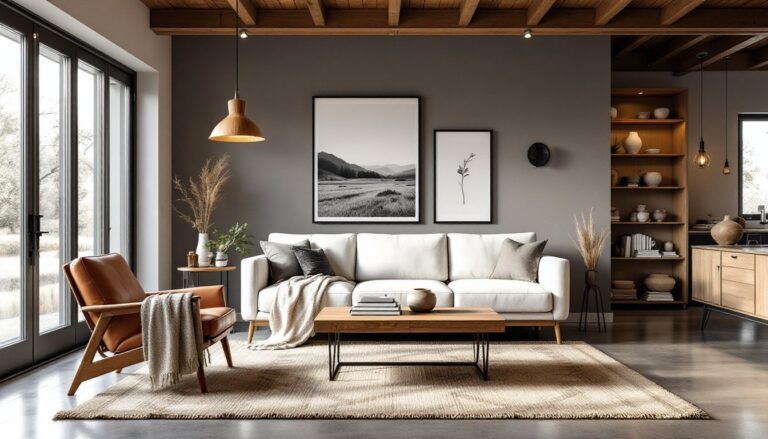

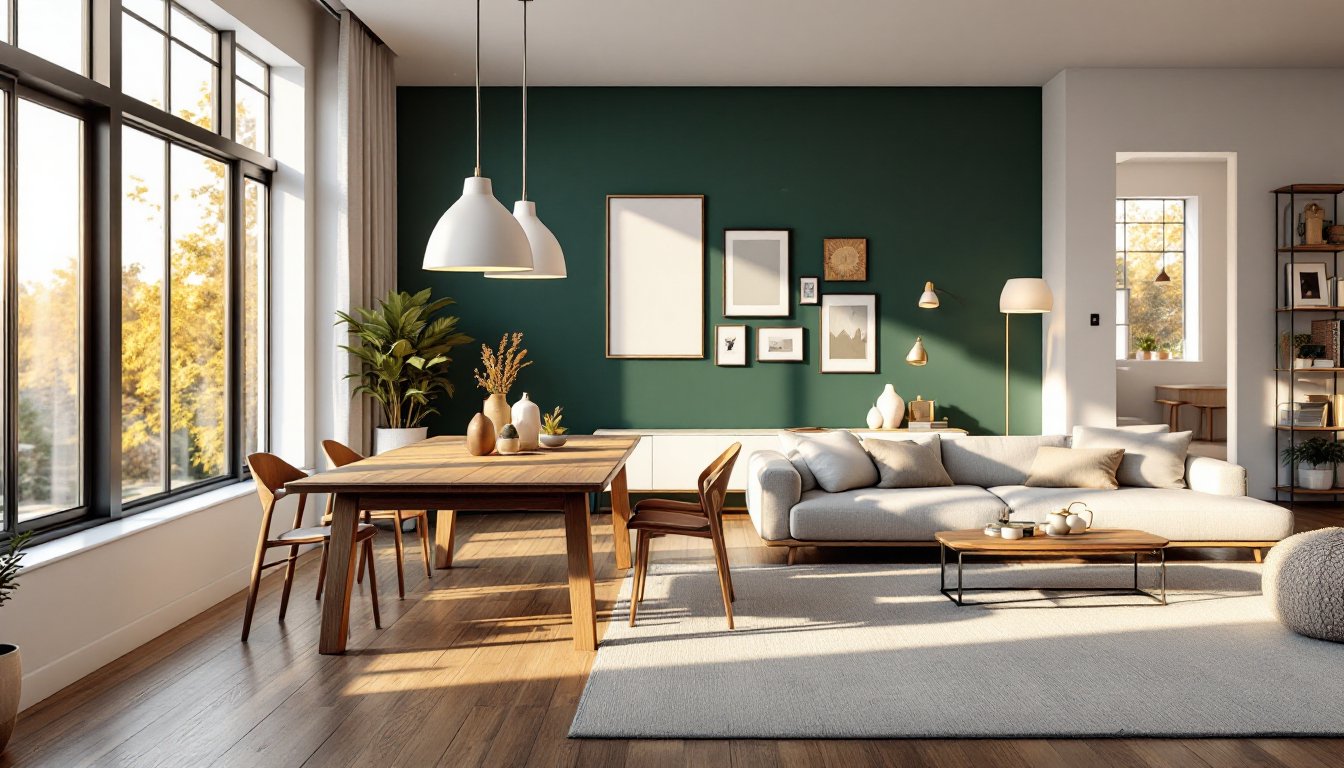
The living room and dining area are the heart of most homes, where families gather, guests are entertained, and everyday life unfolds. Whether they’re separate rooms or merged into one flowing space, getting them right sets the tone for your entire home. This guide walks you through practical living and dining room ideas that balance aesthetics with functionality, from layout strategies to budget-friendly DIY updates. You’ll find actionable advice on color schemes, furniture placement, lighting, and sustainable choices that work whether you’re starting from scratch or refreshing what you’ve already got.
Table of Contents
ToggleKey Takeaways
- Open-concept living and dining room ideas require thoughtful zone definition through angled furniture, low-profile dividers, and area rugs rather than walls, while ensuring adequate traffic flow and respecting load-bearing structures.
- Unify your living and dining areas with a neutral wall base and 2-3 accent colors that respect your home’s natural light direction and color temperature consistency to avoid a disjointed appearance.
- Maximize small spaces by going vertical with tall shelving and exposed-leg furniture, while larger rooms benefit from floating furniture pieces and layered rugs that define distinct zones without closing off flow.
- Layer ambient, task, and accent lighting with dimmers and warm color temperatures (2700K) to create depth and encourage conversation across your combined living and dining space.
- Budget-friendly DIY projects like accent walls, gallery walls, furniture refinishing, and floating shelves deliver significant impact in 1-2 days for under $150 per project.
- Invest in secondhand, natural materials like solid wood and wool that last decades, require lower upfront environmental costs, and align with sustainable design values without sacrificing style or function.
Open-Concept Layout: Maximizing Flow Between Spaces
Open-concept living and dining areas have become popular because they feel spacious and encourage interaction. But creating flow requires thoughtful planning, not just tearing down a wall.
Start by defining zones without hard barriers. Angle furniture to create natural traffic patterns, position your sofa perpendicular to the dining table rather than facing it directly. Use a low-profile bookcase, console table, or area rug to signal where one space ends and another begins. These visual anchors tell the eye “this is the living zone” and “this is the dining zone” without closing off the room.
Ceiling height matters. If your ceiling sits at standard 8 feet, avoid oversized furniture that will overwhelm the space. Conversely, if you have vaulted ceilings, taller elements like floor lamps or gallery walls help fill the vertical space and maintain proportional balance.
Traffic flow is crucial. Measure your doorways and main pathways, aim for at least 18 inches of walking space between furniture pieces. Your guests shouldn’t have to vault over a chair leg to reach the kitchen. If your open space is tight (under 300 square feet), floating furniture away from walls can actually make the room feel larger by showing off the floor and walls beyond.
Consider load-bearing walls and building codes before removing walls. This isn’t a cosmetic project, structural changes always require a permit and often a licensed engineer’s sign-off. Your local building department can advise whether the wall is load-bearing and what support structure you’ll need.
Color Schemes That Unify Your Living and Dining Areas
Color is the quickest way to tie two spaces together. A unified palette makes a home feel intentional, even if the rooms have different purposes.
Start with a neutral base, soft whites, warm grays, or gentle beiges on walls and large furniture pieces. This gives you flexibility and a calm foundation. Then introduce two to three accent colors through smaller elements: throw pillows, artwork, a painted accent wall, or a statement light fixture.
Warm vs. cool matters. If your living room leans warm (honey tones, warm whites), carry that warmth into the dining area through wood finishes or wall color. Cold, bluish undertones in one room and warm yellows in the other will feel disjointed. Consider the natural light too, north-facing rooms benefit from warmer neutrals, while south-facing spaces handle cooler tones gracefully.
Color psychology applies here. Living spaces often work well with calming neutrals and muted greens or blues, while dining areas can handle richer jewel tones or warmer hues that encourage appetite and conversation. A deep forest green or warm taupe wall in your dining area creates intimacy, while your living room stays lighter to feel open.
Test paint samples on your actual walls and observe them at different times of day. What looks peaceful in morning light might feel dark by evening. Paint a 2-by-2-foot section and live with it for a few days before committing. This costs almost nothing and prevents expensive mistakes.
Furniture Arrangements for Small and Large Spaces
Room size dictates furniture strategy. In small spaces, every piece must earn its place: in larger ones, you have more breathing room but still need intentional placement.
Small spaces (under 250 sq ft combined): Go vertical. Use tall bookshelves, wall-mounted shelving, and artwork to draw the eye upward instead of outward. Choose furniture with exposed legs, it makes rooms feel airier than pieces that sit on solid bases. A loveseat and two accent chairs beat a full sectional. A console table with storage can double as a serving station. Measure before buying: many dining tables work best at 30 inches tall and come in widths from 36 to 48 inches. A 48-inch table fits four people comfortably and doesn’t dominate a modest room.
Large spaces (400+ sq ft): You can anchor the living area with a larger sectional or paired sofas facing a media console. In the dining zone, a bigger table (60 to 72 inches) feels proportional. Create a rug under each zone to define them, a 5-by-8-foot rug under the sofa and a 6-by-9 under the dining table works well. Don’t push all furniture against walls: floating pieces in the center of the room create intimacy and take advantage of the square footage.
Layout tips for both: Position seating to encourage conversation, people naturally want to face each other. Avoid one-way arrangements where everyone stares at a TV. In a combined living-dining space, angle the dining chairs toward the living room to maintain flow. The most common mistake is undersizing rugs: they should anchor furniture, not float beneath isolated pieces. Your area rug should extend under at least the front legs of your sofa and chairs.
Lighting Strategies to Define and Enhance Both Zones
Lighting separates a good room from a great one. A single overhead fixture casts harsh shadows and flattens the space. Layer your light with ambient, task, and accent sources.
Ambient lighting sets the overall mood, this is your main overhead fixture or recessed cans. Dimmers are essential: they let you adjust brightness for different activities and times of day. Aim for 1.5 watts per square foot as a baseline, then adjust by preference. A 12-by-14-foot living area needs roughly 250 watts of total ambient light, spread across multiple fixtures rather than one central point.
Task lighting handles specific jobs, reading on the sofa, working at the dining table, or food prep. A swing-arm wall sconce beside a reading chair, pendant lights above the dining table (hang them 30 to 36 inches above the tabletop), or a floor lamp in a corner all count. Pendant lights work beautifully in combined spaces because they define the dining zone without walls.
Accent lighting highlights features you want noticed, under-cabinet strips, artwork lighting, or decorative table lamps. This last layer transforms a flat room into one with depth and visual interest.
Color temperature matters. Warm white (2700K) feels inviting: cool white (4000K and above) reads clinical. Stick with warm tones in living and dining areas to encourage relaxation and conversation. Mixing color temperatures in the same room looks amateurish, pick one and commit.
Position sources at eye level or slightly above when seated. Table lamps on side tables, sconces at 60 inches from the floor, and pendant lights at the heights mentioned above all follow this principle. Avoid dark corners: they make rooms feel smaller and create shadows during evening hours.
Budget-Friendly DIY Decor Projects
You don’t need a designer’s budget to update your space. Simple DIY projects deliver huge impact without very costly.
Paint an accent wall: Choose one wall in your dining area or living room as your focal point, typically the wall behind your sofa or across from the entry. Paint it with a bolder color or subtle texture. Prep is everything: fill holes with spackling compound, sand smooth, prime (especially over darker colors), and apply two coats of quality paint. Budget $50 to $150 depending on wall size and paint quality. This project takes a weekend.
Create a gallery wall: Mix framed family photos, affordable prints (sources like Domino and MyDomaine offer inspiration), and even empty frames for visual interest. Lay everything out on the floor first to plan spacing, then measure and mark stud locations with a stud finder before hanging. Drywall anchors hold lightweight frames fine, but for heavier collections, screws into studs prevent sagging over time.
Refinish or repaint furniture: An old dining table or dresser gets new life with sandpaper, primer, and paint. Use 120-grit sandpaper to dull the existing finish, fill gaps with wood filler, then apply two coats of quality furniture paint. Let each coat dry fully (check the can, usually 2 to 4 hours). A $15 can of paint transforms a thrift-store find into a statement piece.
Build floating shelves: Floating shelves add storage and display without floor clutter. Use a level, stud finder, and appropriate brackets (look for ones rated for 25 to 50 pounds depending on shelf depth and weight). Secure brackets into studs with 3-inch wood screws. A 36-inch shelf with two brackets costs under $40 in materials and takes an hour to install.
Upholster or recover items: Replacing throw pillow covers costs $10 to $30 per pillow, but revitalizes a tired sofa. Swap out lampshades for ones matching your color scheme. These micro-updates cost almost nothing but feel intentional. Resources like Homedit provide detailed guides on upholstery basics if you want to tackle a dining chair seat pad or headboard.
Sustainable Design Choices for Modern Homes
Sustainable design means choosing materials and practices that reduce environmental impact without sacrificing beauty or function. In living and dining spaces, small choices compound.
Source secondhand furniture: Thrift stores, estate sales, and online resale platforms offer solid pieces at a fraction of retail. A hardwood dining table from the 1980s, built to last, beats a particle-board equivalent shipped halfway around the world. Check joints for wobble (tighten hardware or reinforce with wood blocks if needed) and inspect wood for finish damage or stains, but structurally sound older pieces often outperform new budget alternatives.
Choose natural materials: Solid wood, natural fabrics (linen, cotton, wool), and stone last longer than synthetics and age gracefully. A wool area rug, even though higher upfront cost, endures decades of foot traffic. Linen upholstery wrinkles intentionally, adding character. These materials are often biodegradable and reduce microplastic shedding compared to synthetics.
Paint responsibly: Low-VOC (volatile organic compound) paint reduces indoor air quality issues, crucial in lived-in spaces. Costs run 10 to 20 percent higher than standard paint, but health benefits and lower odor offset the difference. Brands certified by Green Seal or similar bodies meet strict emissions standards.
Lighting efficiency: LED bulbs use 75 percent less energy than incandescent and last 25,000 hours or more. Swap out all bulbs, the investment pays back within a year through lower electric bills.
Avoid single-use items: Choose durable window treatments over disposable options, invest in quality throw blankets that last years, and select furniture without glued-on veneers that peel and require replacing. The sustainable choice is often the more expensive one upfront, but the cost-per-year drops significantly over time.
Sustainability doesn’t mean sacrifice. Living and dining spaces built on durable, natural materials feel better, last longer, and align with modern values around environmental stewardship.
Conclusion
Transforming your living and dining rooms starts with honest assessment of your space, needs, and budget. Apply these strategies one at a time, pick a lighting upgrade, add an accent wall, or rearrange furniture before committing to large purchases. Small, thoughtful changes often deliver better results than wholesale overhauls because they align with how you actually live. Your home should work for you, reflect your style, and feel inviting to those you welcome into it. Start today.