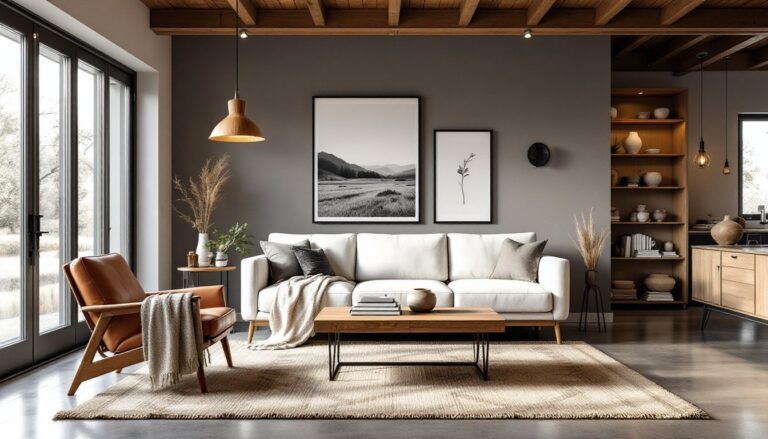

A chaise lounge transforms a living room from a standard sitting area into a relaxation zone where family members actually want to spend time. Whether you’re working with a compact apartment or a sprawling open floor plan, a chaise lounge adds both function and style, but only if you choose the right piece and position it thoughtfully. This guide walks you through selecting, sizing, arranging, and styling a chaise lounge that fits your space and lifestyle. You’ll learn the practical decisions that separate a showroom photo from a living room that genuinely works.
Table of Contents
ToggleKey Takeaways
- Choose a chaise lounge style (modern, traditional, mid-century, or sectional) that aligns with your living room’s existing aesthetic while prioritizing durable, performance fabrics for high-traffic households.
- Measure your floor space carefully—chaise lounges typically range from 60 to 84 inches in length and 30 to 36 inches in depth—to ensure comfortable lounging without cramping your living room layout.
- Position your chaise lounge alongside your sofa or angled toward the TV at 15 to 30 degrees, with at least 4 feet of clearance behind it and 36 inches from walls to maintain walkways and visual flow.
- Select neutral or tonal upholstery colors (grays, beiges, soft blues) with at least 30,000 double rubs abrasion rating, and test fabric swatches in your actual lighting before committing to a purchase.
- Layer textures with throw blankets, area rugs (at least 5 by 8 feet), task lighting via floor lamps or wall sconces, and 2–3 coordinating throw pillows to make your chaise lounge an inviting relaxation zone.
- Maintain your chaise lounge with weekly vacuuming, immediate spill blotting, and professional cleaning every 18 to 24 months to preserve fabric life and keep it looking fresh.
Choosing The Right Chaise Lounge For Your Space
Style And Material Considerations
Chaise lounges come in a handful of core styles: modern, traditional, mid-century, and sectional-integrated. Your living room’s existing aesthetic should guide this choice, but don’t feel locked in, a modern chaise can work in a traditional room if the proportions and material feel intentional.
Material matters more than style for durability and comfort. Upholstered chaises (fabric or leather) are the most common and forgiving for families with kids or pets. Leather requires regular conditioning but resists stains: performance fabrics (polyester blends designed for high traffic) hold up well and come in increasingly attractive options. Linen and cotton feel premium but stain more easily. If you have pets or young children, prioritize performance fabric or bonded leather over delicate natural fibers.
Wood-frame chaises look sleeker and work in minimalist or mid-century spaces, but check the joinery, mortise-and-tenon connections outlast stapled frames by years. Rattan, wicker, and metal frames suit casual or transitional schemes but offer less cushioning and aren’t ideal for full-time lounging.
Consider removable, washable slipcovers if you want flexibility. They cost more upfront but let you swap colors seasonally or replace worn covers instead of the entire piece. Homedit offers detailed furniture guides showing how different upholstery choices work across room styles.
Size And Layout Planning
Chaise lounges range from compact “apartment” versions (around 60 inches long, 30 inches deep) to sprawling sectional-style pieces (80+ inches). Measure your actual floor space and account for walkways, a 36-inch gap between furniture and walls is livable: below that, your room feels cramped.
Length matters most. A chaise that’s too short forces awkward leg positioning: too long eats half the room. Most loungers need 72 to 84 inches from armrest to footrest, though “compact” models squeeze into 60 inches. Depth is the second critical dimension: 30 to 36 inches is standard. Anything deeper than 36 inches is comfortable for fully horizontal lounging but harder to get out of and impractical if your living room doubles as a guest pathway.
Test the angle of the backrest. Some chaises recline to near-horizontal: others stay more upright (around 45 degrees) and work better for sitting up to read or watch TV. If you want genuine napping capability, aim for a piece that goes nearly flat or pair it with a movable ottoman.
Scale the chaise to your sofa and other seating. If your sofa is a substantial sectional, a 60-inch chaise will look undersized. A queen-size sectional pairs well with a 72- to 80-inch chaise. Don’t let furniture catalogs dictate arrangement: sketch your room to scale (even graph paper works) and test positions before buying.
Color And Fabric Selection For Lasting Appeal
Color choice is personal, but neutral or tonal upholstery lasts longer in rotation than bold statement colors. Grays, beiges, taupes, and soft blues stay timeless and hide dust better than blacks or whites. If your living room gets strong afternoon sun, test fabric swatches in that light for a day or two: colors shift dramatically under different lighting conditions.
Fabric weight and weave density affect longevity. Look for upholstery fabrics rated 30,000+ double rubs (a standard abrasion resistance test). Most residential performance fabrics hit 40,000 to 60,000 rubs. Avoid thin knits or loose weaves that pill or snag with regular use.
Pattern is optional but adds visual interest without committing to a bold color. Subtle stripes, geometric prints, or textured fabrics work in most schemes. If you choose patterned upholstery, keep your surrounding wall color and accessories simpler to avoid visual chaos.
Test fabric on your actual chaise before finalizing. Many furniture retailers offer swatches: put them on your sofa or a chair in your living room lighting for a week. What looks great in a showroom can feel wrong under your home’s natural and artificial light. House Beautiful’s paint and decor guides explore color theory and how finishes interact with light in different room orientations.
Arranging Furniture Around Your Chaise Lounge
Placement depends on your room’s focal point, TV, fireplace, or window. If TV is the anchor, position the chaise alongside the sofa or angled toward the screen so viewers can prop feet up comfortably. Most people angle the chaise 15 to 30 degrees toward the TV rather than straight-on: it feels more intentional and less like a hospital setup.
Floating arrangements (furniture not against walls) work if your room is large enough. A sofa facing a chaise across a coffee table creates intimate conversation zones and feels less living-room-catalog. Measure at least 4 feet of clearance between the back of the chaise and any wall or furniture behind it: this prevents the piece from looking crammed and makes it easier to vacuum.
If your room is narrow or you’re short on square footage, align the chaise parallel to the sofa or in an L-shape. An L-configuration maximizes seating while keeping traffic lanes clear. Avoid placing the chaise directly opposite the sofa, it forces eye contact and reduces the lounging appeal.
Accounting for natural light is often overlooked. Position the chaise away from harsh afternoon sun if you’ll use it for reading: leather and some fabrics fade over time. Conversely, placing it near a north-facing window or away from direct afternoon rays keeps materials fresher longer.
Ottomans and side tables fill gaps. A small round table next to the chaise holds drinks or a book: a matching ottoman provides additional footrest or seating. Houzz’s design inspiration gallery showcases real room layouts with chaise lounges positioned in various configurations and room sizes.
Creating A Functional And Stylish Living Room
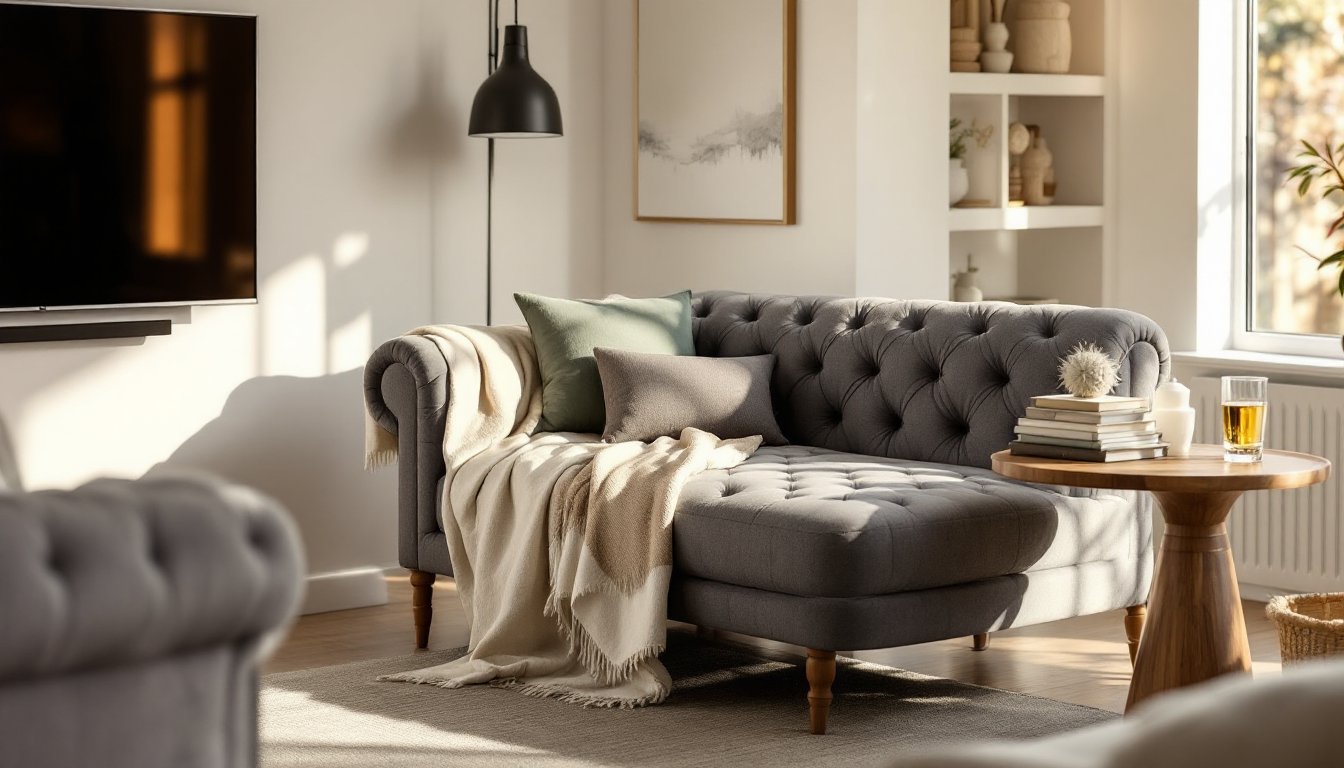
Styling the space around your chaise lounge grounds it in your room’s overall design. Add a throw blanket draped over the armrest or seat, it invites lounging and softens the furniture visually. Throws in coordinating colors (not matching) feel more layered and intentional than identical upholstery and throw.
Layering textures prevents the chaise from appearing isolated. A rug anchoring the seating area (positioned so at least the front two legs of major furniture sit on it) defines the zone and adds warmth underfoot. Aim for a rug at least 5 by 8 feet if your room layout allows: smaller rugs feel scattered.
Lighting is critical for making a chaise feel like an actual relaxation spot. A floor lamp behind or beside the chaise (positioned so light doesn’t glare on a TV or reading surface) provides task lighting for evening use. Swing-arm wall sconces flanking the chaise save floor space and look more polished than freestanding lamps.
Accessorize minimally. Two or three throw pillows on the chaise itself (in the 14×14 to 18×18 range) is enough: too many crowd the lounging surface. Artwork or a mirror on the wall above the chaise anchors the piece and makes the corner feel intentional rather than afterthought.
Maintenance keeps a chaise looking fresh longer. Vacuum upholstered pieces weekly with an upholstery attachment: vacuum under cushions monthly where dust collects. Blot spills immediately with a damp cloth and appropriate cleaner (test any solution on a hidden seam first). Professional cleaning every 18 to 24 months extends fabric life by years, especially in high-use households.
Conclusion
A well-chosen chaise lounge becomes the most-used piece in your living room, the place where family members actually sit and relax. The key is honest measurement, style alignment, and thoughtful placement. Pick durable fabric, size appropriately for your space, and arrange it with clear sightlines and walkways. Done right, a chaise lounge transforms a living room from functional to genuinely inviting.