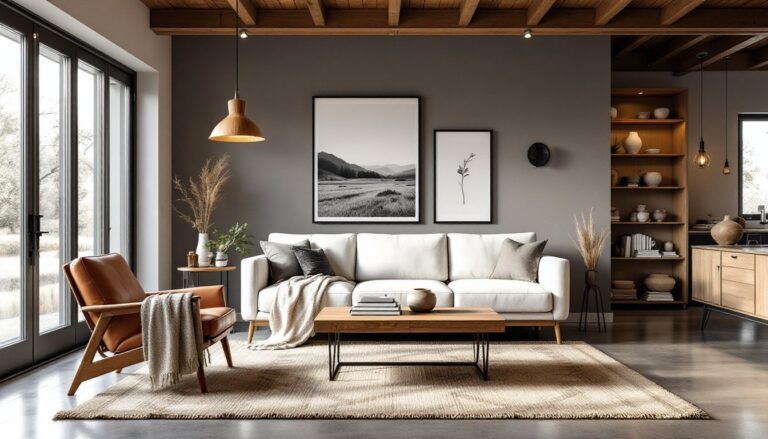

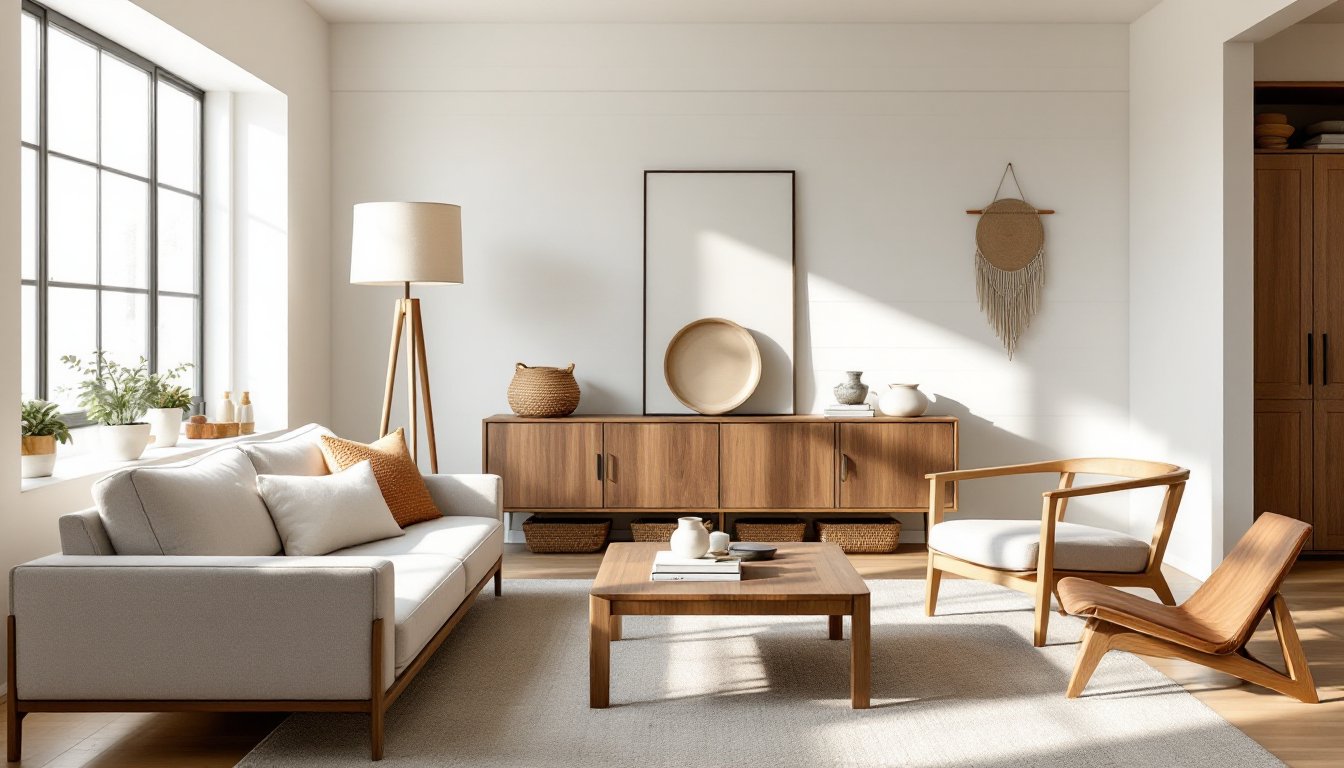
Modern craftsman style brings back the soul of handmade details while keeping spaces clean and uncluttered. Unlike heavy Victorian craftsman or overly rustic farmhouse design, this approach strips away ornament that doesn’t earn its place. Homeowners drawn to the style want visible joinery, natural wood grain, and hand-finished details, but they also want a living room that doesn’t feel like a museum. This guide walks through the core elements: furniture selection, materials, color, lighting, and a few DIY finishes that make the style genuinely yours rather than a catalog showroom.
Table of Contents
ToggleKey Takeaways
- Modern craftsman living room design balances visible craftsmanship and honest joinery with clean, uncluttered spaces that avoid heavy ornamentation or nostalgia.
- Select furniture with exposed wood frames in white oak, walnut, or cherry paired with solid textiles like linen and wool; avoid chrome, polished brass, and overstuffed styles that undermine authenticity.
- Use matte or satin wood finishes over gloss, pair wood with secondary materials like concrete and steel, and keep walls neutral (warm whites, soft grays) to let wood tones and handcrafted details take center stage.
- Layer lighting with sculptural wooden or metal-and-wood fixtures, dimmers, and table lamps to highlight craftsmanship; avoid relying solely on recessed downlights that flatten texture.
- Add personality through accessible DIY projects like floating shelves, picture ledge frames, or hand-turned pulls, plus textured textiles and woven accessories that reinforce the modern craftsman aesthetic of purposeful making over mass production.
Defining Modern Craftsman Style: The Perfect Balance of Rustic and Clean
Modern craftsman sits between traditional arts-and-crafts design and minimalist contemporary. It celebrates visible construction, mortise-and-tenon joints, exposed wood joinery, hand-planed surfaces, without the dark, heavy aesthetic of early 1900s craftsman homes.
The style respects materials. A pine plank stays a pine plank: it doesn’t hide under wallpaper. Built-in shelving shows its frame and backing. Wood grain variation is welcome, not sanded smooth into uniformity. At the same time, the palette stays restrained: neutral walls, selective accent colors, and purposeful negative space separate modern craftsman from maximalist or eclectic design.
Key differences from other styles: farmhouse emphasizes whitewash and distressing: traditional craftsman uses deep earth tones and heavy detail: modern minimalism strips away all ornamentation. Modern craftsman keeps ornamentation but only where construction logic demands it. A drawer pull is functional and honest, not decorative for decoration’s sake.
Essential Furniture Pieces for an Authentic Modern Craftsman Look
Start with a sofa that prioritizes structure over frill. Look for low-profile frames with visible wood legs, walnut, white oak, or cherry work well. Upholstery should be solid, tactile fabric: linen, wool blend, or canvas. Avoid shiny velvet or overstuffed roll arms: instead, choose tight back cushions and squared corners.
A solid-wood coffee table anchors the room. Ideally, it shows off the wood species and grain. Reclaimed or live-edge tops work, but don’t feel obligated, a simple table with clean proportions and honest joinery is more authentic than distressed novelty.
Add a wooden media console or bookshelf unit with adjustable shelving and backing boards visible. This becomes architectural, not just storage. Pair with accent chairs in natural wood frames and upholstered seats, angled slightly inward to encourage conversation.
Side tables, end tables, and occasional pieces should follow the same logic: honest construction, visible joinery, and minimal hardware. Metal accents, steel or oil-rubbed bronze, work when used sparingly. Avoid chrome or polished brass, which feel corporate rather than crafted. Modern design inspiration often blends wood and metal seamlessly, showing how restrained hardware can enhance rather than distract from natural materials.
Wood Selection and Material Choices That Define the Aesthetic
Wood species set the tone. White oak shows prominent grain and weathers beautifully: it’s the default for modern craftsman furniture. Walnut adds richness without feeling dark, with subtle chocolate undertones. Cherry develops patina over time, warm and inviting. Avoid heavily stained wood or finishes so dark that grain disappears.
Surface finish matters enormously. Matte or satin polyurethane preserves wood character: gloss finishes feel plastic and dated. Oil finishes (tung, teak, or Danish oil) create a hand-rubbed, lived-in patina but require maintenance. For pieces that will see heavy use, tables, armrests, a satin polyurethane offers durability without gloss sheen.
Secondary materials pair thoughtfully. Concrete, steel, and stone feel contemporary without fighting the wood. Tile, plaster, or painted drywall walls complement wood furniture without competing. Avoid laminate, particleboard, or wood-look vinyl: they undermine authenticity and wear poorly. If budget is tight, solid wood tops on plywood bases work better than veneered pieces that feel hollow. Contemporary furniture often combines reclaimed and new wood elements, creating depth through mixed finishes and ages.
Color Palettes and Textures That Bring Warmth and Depth
Walls should whisper, not shout. Warm whites, soft grays, or subtle warm beiges create neutral backdrop for wood tones. Benjamin Moore’s ‘White Dove’ and Farrow & Ball’s ‘Pointing’ are trusted choices, though any quality eggshell or satin primer-included paint works. Avoid cool, clinical whites: they fight warm wood.
Accent colors arrive through textiles, art, and accessories, not wall paint. A single accent wall in muted forest green, slate blue, or warm terracotta works if you keep it restrained. Bold color usually lives in throw pillows, a woven blanket, or framed art rather than structural elements.
Texture compensates for color restraint. Mix linen upholstery with a chunky wool area rug, add woven baskets and a macramé wall hanging or two. Leather, cognac, saddle brown, or charcoal, ages beautifully and feels intentional. Introduce plaster or shiplap accents: a feature wall with horizontal wood sheathing reads as craftsmanship rather than gimmick. Matte finishes dominate: shiny surfaces pull toward contemporary sterility.
Lighting Solutions That Highlight Craftsmanship
Lighting in modern craftsman design serves function first, then mood. Recessed downlights alone feel corporate: table and floor lamps with sculptural wooden bases or metal-and-wood fixtures add character. Edison-bulb pendant lights or fixtures with exposed sockets work when not overused, one or two, not a swarm.
Consider a statement floor lamp with an oak or walnut base and a neutral linen shade. Position it near seating to encourage reading. On a side table, a ceramic or turned-wood table lamp with warm-white LED bulbs (2700K color temperature) creates intimate pools of light rather than harsh illumination.
Dimmers are essential. They let you dial lighting from task-level (reading) to ambient (evening conversation) without changing fixtures. Wall-mounted wood-framed mirrors placed opposite windows bounce natural light throughout the space. Avoid recessed lighting alone: it flattens texture and makes handmade details vanish.
DIY Projects and Finishing Touches for Personalization
A floating shelf unit is an accessible first project. Buy solid-wood boards (1 x 10 or 1 x 12 actual dimension) in your chosen species, cut them to length, and mount on steel brackets or wooden cleats fastened to studs with 3-inch structural screws. Sand all surfaces with 120-grit, then 180-grit sandpaper and apply your chosen finish. This takes a weekend and transforms a blank wall into display space that shows off both the shelf construction and your collections.
Build a simple recessed picture frame ledge by routing a 3/4-inch-deep dado groove along the top inside edge of a board, then mounting it horizontally at eye level. Artwork or objects sit flush, creating a gallery effect without nail holes.
If comfortable with basic carpentry, a shaker-style cabinet base, simple butt joints with pocket holes, no applied trim, provides storage and breaks up wall height. Paint the interior a contrasting color or line it with thin plywood backing for depth.
Smaller touches: hand-turn wooden pulls for existing cabinets or drawers (or buy high-quality brass or iron hardware). Commission a local woodworker for a custom mantelpiece if you have a fireplace. Hang woven tapestries or textiles that reflect regional craft traditions. A old church renovation, demonstrating that modern craftsman thrives when each element reflects purposeful making rather than mass production.
Conclusion
Modern craftsman living rooms celebrate honest materials, visible joinery, and restrained color without nostalgia or artifice. The style rewards thoughtful furniture selection, intentional material pairing, and willingness to let wood speak for itself. Whether you’re refinishing inherited pieces, building simple shelving, or curating secondhand finds, the goal stays the same: surround yourself with objects that show their making. Start with one or two anchor pieces, a quality sofa, a wood table, then layer in texture, light, and personality. The result feels both timeless and thoroughly contemporary.