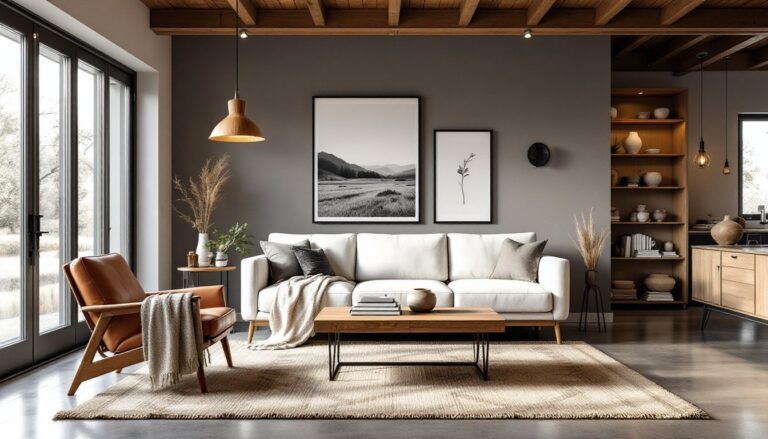

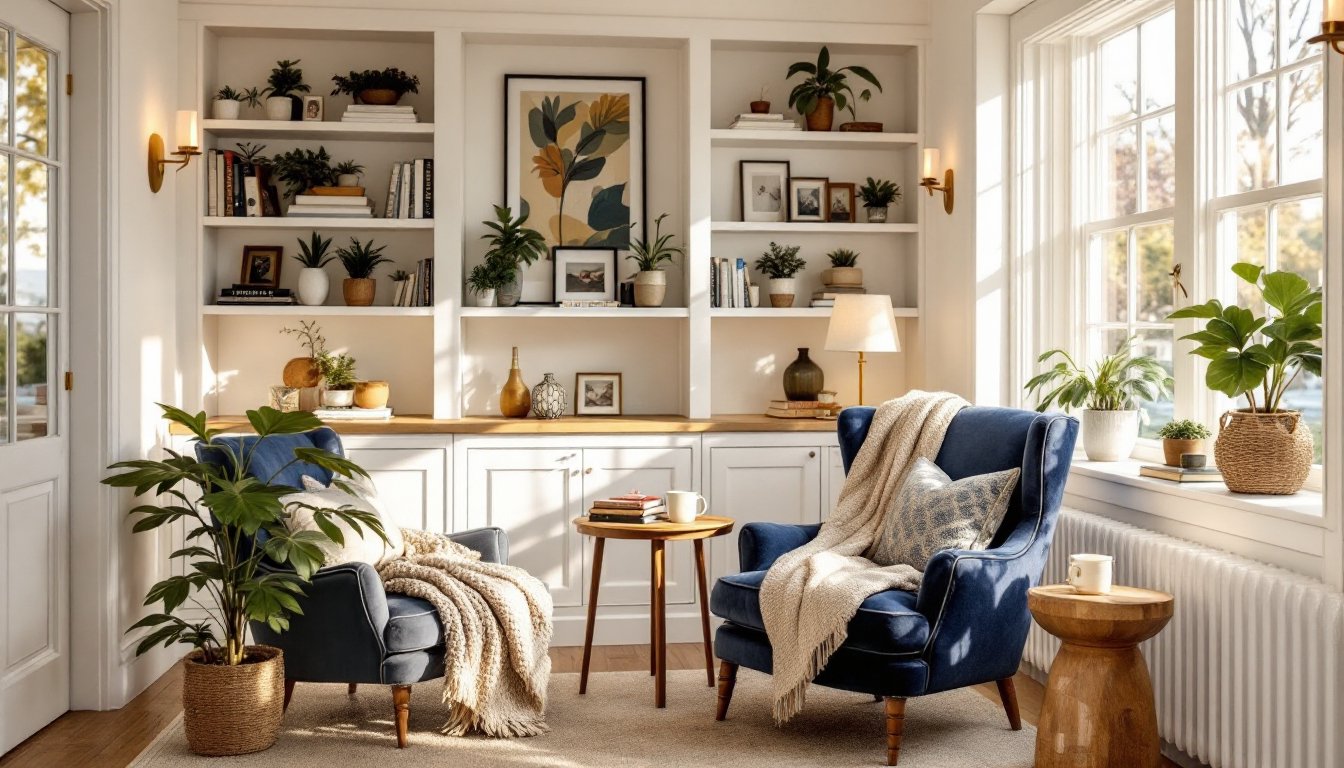
A living room library isn’t just storage, it’s a statement about who you are and what you value. Whether you’re a voracious reader looking for a dedicated space to showcase your collection or someone seeking a quieter corner away from screens, converting part of your living room into a personal library is achievable without a major renovation. The key is understanding how to use vertical space, choose the right furniture, and create an environment that invites you to actually sit down and read. This guide walks through seven practical design approaches, from simple floating shelves to full built-in installations, so you can pick what fits your space, skill level, and budget.
Table of Contents
ToggleKey Takeaways
- Wall-mounted shelves and floating shelves maximize vertical space in living rooms without consuming floor area, with weight capacity ranging from 25–75+ pounds depending on bracket type and wall construction.
- A corner reading nook transforms unused living room space into a cozy retreat with just a comfortable chair, side table, task lighting, and accessible shelving—costing $300–800 and requiring no structural work.
- Built-in bookshelves provide a permanent, polished statement for serious book collectors, though they require permits and professional installation costing $1000–2300, making them ideal for homeowners staying 5+ years.
- Proper organization and display—sorting by genre, mixing vertical and horizontal stacks, interspersing decorative objects, and curating face-forward displays—transforms a living room library from chaotic storage into a beautiful focal point.
- Task lighting, comfortable seating positioned at eye level with shelves, and textiles like area rugs and throw blankets create an inviting atmosphere that encourages people to actually sit down and read.
- Start with a simple approach like a single shelf and armchair, then expand incrementally—living room library ideas don’t require complete renovation and can grow organically with your collection and budget.
Wall-Mounted Shelving: Maximizing Vertical Space
Wall-mounted shelves are the fastest way to add storage without eating floor space. They work especially well in living rooms where a corner or stretch of wall sits empty.
Start by deciding what you’ll store, books alone, or books plus decorative objects? This matters because overloaded shelves feel cramped. A good rule is to fill about 60–70% of shelf capacity and leave room for air and visual breathing room.
Choosing the right shelf type matters. Standard metal brackets with wood shelves are affordable and sturdy for moderate loads: they typically support 30–50 pounds per shelf depending on wall construction and bracket quality. For heavier collections, use adjustable standards (vertical metal rails with shelf clips) rated for 75+ pounds per shelf. Make sure you’re fastening into studs, never rely on drywall anchors alone for book weight.
Measure your wall first. Book heights vary: paperbacks run 7–8 inches, hardcovers 8–10 inches, oversized art books 12+ inches. Space shelves 12–14 inches apart to accommodate most hardcovers with a little breathing room on top. Stagger the vertical distances if you want a less rigid look.
Installation requires a level, a stud finder, and a drill with a bit matching your hardware. Find studs with a stud finder, mark them with pencil, and drill pilot holes before screwing in brackets. If studs don’t line up with your ideal shelf placement, toggle bolts or molly bolts in drywall can work for lighter loads, but studs are always safer for books.
Corner Reading Nooks: Creating Your Cozy Retreat
A corner reading nook transforms dead space into an inviting retreat, no major construction needed. The living room corner facing a window is ideal: natural light, a view, and psychological separation from the bustle of the room.
Start with comfortable seating. A single armchair or a loveseat is the anchor. Pair it with a small side table (24–30 inches tall) for a lamp and a drink. A floor lamp with a 3-way bulb gives flexible lighting for reading. If space is tight, a clip-on reading light mounted to the chair or a shelf above works just as well.
Next, add accessible shelving around the chair. Wall-mounted shelves at arm’s reach create a personal library microclimate. You don’t need much, two or three shelves above the chair, or a tall narrow bookcase to one side, gives you 50–100 books at fingertips without overwhelming the corner.
Text-based design ties the nook together: a soft throw blanket draped over the chair, a cushion or two, and a small side table. These aren’t fluff, they signal “this is a place to settle in,” not just a chair in a corner. Window treatments matter too: a shade or curtains let you control light and create privacy from the living room when you’re deep in a book.
This approach costs between $300–800 depending on furniture choices and doesn’t require any structural work. It’s also reversible: if you move, the pieces leave with you.
Built-In Bookshelves: A Permanent Statement
Built-in bookshelves are the dream for serious book collectors and make a room feel intentional. They’re permanent, which means more planning upfront, but the payoff is a polished, integrated look.
Built-ins typically span a wall from floor to ceiling or frame a window or fireplace. Standard designs use 3/4-inch plywood for shelves, supported by vertical studs (the frame) spaced 16 inches apart, with backing (1/2-inch plywood) to tie everything into the wall studs. Shelves sit on cleats (horizontal supports) screwed into the frame, or on metal shelf pins inserted into holes drilled at precise intervals.
This is structural and usually requires a permit in most jurisdictions because it involves fastening to wall framing. Hire a carpenter unless you’re experienced with framing, measuring, and finish work. Rough carpentry (frame and backing) costs $600–1500 depending on size: finish carpentry (face trim, shelves, painting) adds another $400–800.
Custom built-ins let you optimize shelf spacing for your collection. Hardcover-heavy libraries might use 11-inch spacing: mixed collections work with 12–14 inches. You can also add cabinets or closed storage below, which looks professional and hides less-photogenic books or supplies.
Once installed, paint or stain to match your living room trim. This is where the craft shines, quality trim work and a clean finish make built-ins look custom and expensive, even on a moderate budget. The durability and visual impact justify the cost for homeowners planning to stay in their home for 5+ years.
Floating Shelves and Minimal Aesthetics
Floating shelves, shelves with no visible support brackets, create a clean, modern look. They’re particularly popular in minimalist and contemporary living rooms.
What you don’t see is the hidden bracket system. A floating shelf is typically 1–1.5 inches thick (solid wood or veneer over a steel core) with a steel L-bracket (or longer cantilever bracket) screwed into wall studs. The bracket sits inside the shelf, held up by the bracket’s horizontal arm. Done right, the shelf appears to hover.
Floating shelves look lighter than traditional bracket shelves, which makes them ideal if you want a library feel without visual bulk. They’re perfect for displaying books mixed with plants, art, or small objects, think interior design ideas that blend function and aesthetics.
Limitations: floating shelves typically hold 25–50 pounds depending on bracket design and wall construction. If you have a massive hardcover collection, this isn’t the solution. They work best for a curated, lighter collection or for rotating displays.
Installation is straightforward if you’re handy: find studs, mark bracket holes, drill pilot holes, and screw in the bracket using 1/2-inch lag bolts or construction screws rated for wall framing. Use a level to get the bracket perfectly horizontal, then slide the shelf over the bracket and secure it from underneath with screws if recommended by the manufacturer.
Floating shelves cost $40–150 each depending on materials and size. They’re a great entry point if you’re unsure about committing to a full built-in system.
Library-Inspired Furniture and Lighting
Beyond shelves, furniture and lighting transform a living room library from storage into an atmosphere. The right pieces make people want to linger.
Seating is non-negotiable. A wingback chair, leather recliner, or upholstered sofa oriented toward your shelves creates a natural reading zone. Height matters, you want your eyes level with your books when seated, so shelves behind or beside your chair should sit between eye level and 12 inches above your head. This is practical and psychologically comfortable.
Lighting is critical. Natural light from windows is ideal for daytime reading, but you’ll need task lighting. A brass floor lamp with a translucent shade provides warm, diffuse light without glare on book pages. Wall sconces flanking a reading chair add elegance and direct light where you need it. Avoid overhead ceiling lights for reading areas: they create shadows on pages and feel institutional.
Add a library table if space allows, a simple 36–48-inch wood table in the center of your library zone gives you a spot for stacks, current reads, and a reading lamp. It anchors the space and makes it feel intentional rather than incidental.
Textiles matter. A wool area rug 6×9 or 8×10 feet defines the library zone visually and adds acoustic softness (books and hard surfaces can make a room echo). A throw blanket and cushions add comfort and signal that this is a place to settle. You don’t need expensive furnishings, home design inspiration shows that thrift stores and secondhand sources yield great reading-room furniture at a fraction of retail.
Organizing and Displaying Your Book Collection
A beautiful library is only beautiful if it’s organized. Chaos, even full-of-books chaos, reads as clutter.
Sorting methods vary by use. Hardcover and paperback separated looks clean. Organizing by genre (fiction, history, science, etc.) makes it easy to find what you want. Some collectors shelve by color for visual impact, though this sacrifices function. A practical compromise: organize by category but use bookends or decorative objects to break up long runs of similar-colored spines.
Shelf styling balances books and breathing room. Mix vertical stacks with horizontal stacks (laying books flat). Intersperse decorative objects, a small plant, a framed photo, a carved box, or a sculpture, every 20–24 inches or so. This prevents the “wall of books” feeling and gives your eye rest.
Curate the face-forward display. Reserve your top shelves or a central wall for beautiful books you want to showcase, the ones with striking spines or covers. Flip a few favorites spine-out horizontally on a shelf: they become art. For the rest, spine-out vertical shelving is efficient and lets you fit more books per linear foot.
Label or catalog if you have 500+ books. A simple spreadsheet (title, author, shelf location) takes an hour and saves frustration when you can’t remember where you shelved that mystery novel. Apps like Goodreads or Libby let you scan barcodes and maintain a library digitally.
Rotate seasonal reads. Spring and summer invite lighter stories: fall and winter call for mysteries and depth. Swapping the front-facing display 2–3 times a year keeps your library feeling fresh and highlights books you might have forgotten about.
Conclusion
A living room library doesn’t require a complete overhaul. Start small, a single shelf and a comfortable chair, and expand from there. Global design resources like Homify showcase libraries at every scale, from modest corners to floor-to-ceiling installations. The goal isn’t perfection: it’s creating a space that makes you want to pick up a book and stay awhile. Pick the approach that fits your budget and commitment level, prioritize comfort and light, and let your collection grow organically. Your future reading self will thank you.